



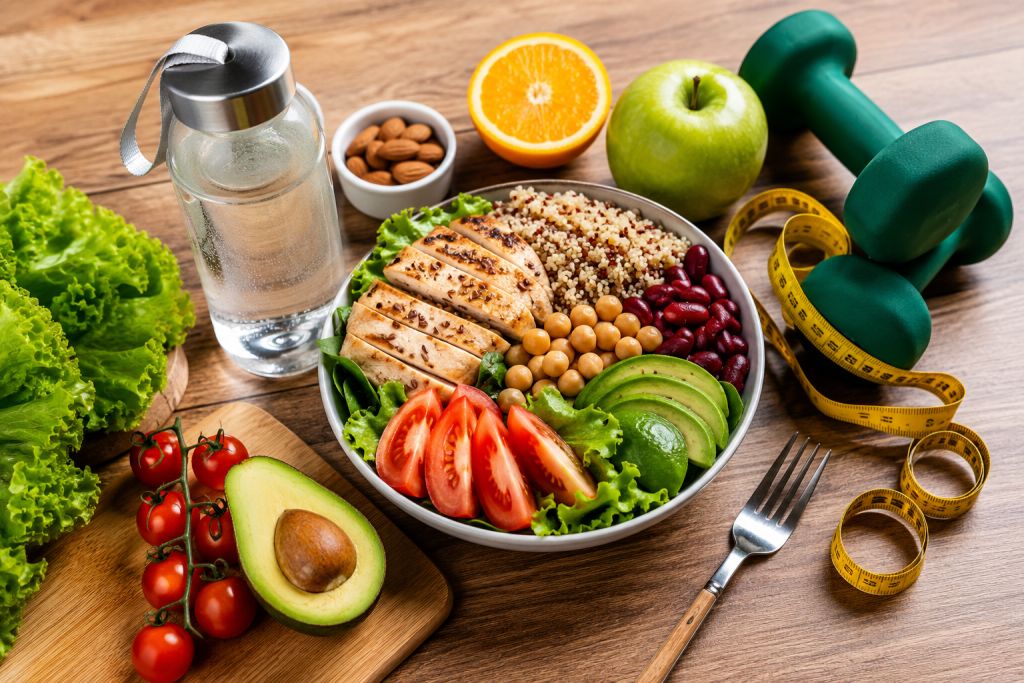
Why Natural Weight Loss Is the Healthiest Approach
Many people want to lose weight quickly, but extreme diets and rapid weight-loss methods often lead to short-term results that are difficult to maintain. Natural weight loss focuses on building sustainable habits that support long-term health and steady progress.
Instead of relying on strict dieting or drastic calorie restriction, a natural approach encourages balanced nutrition, mindful eating, regular physical activity, and consistent lifestyle habits. These methods not only help with weight management but also improve overall health and energy levels.
Healthy weight loss is not about eliminating entire food groups or following unrealistic rules. It is about making smarter food choices, maintaining portion control, and developing habits that support the body’s natural metabolism.
This guide explains practical and natural ways to lose weight using simple diet tips that promote lasting results.
Understanding How Weight Loss Works
Weight loss occurs when the body burns more calories than it consumes. This process is influenced by several factors, including metabolism, physical activity, sleep patterns, and dietary habits.
While calorie balance plays a role, the quality of the food you eat is equally important. Nutrient-dense foods provide energy and help control hunger, making it easier to maintain a healthy weight.
Factors that influence weight management include:
• Daily calorie intake
• Physical activity level
• Hormonal balance
• Sleep quality
• Stress levels
Focusing on healthy habits in each of these areas helps create a sustainable path toward natural weight loss.
Eat Whole and Nutrient-Dense Foods
Choosing whole foods instead of heavily processed products is one of the most effective ways to support healthy weight loss. Whole foods provide essential nutrients while helping you feel full for longer periods.
Healthy food choices may include:
• Fresh fruits and vegetables
• Whole grains such as oats and brown rice
• Lean proteins like fish, chicken, beans, and lentils
• Healthy fats from nuts, seeds, and avocados
These foods help stabilize blood sugar levels and reduce unnecessary snacking.
Control Portion Sizes
Portion control is an important factor in maintaining a balanced calorie intake. Even healthy foods can contribute to weight gain when consumed in excessive amounts.
Helpful strategies for portion control include:
• Eating slowly and paying attention to hunger signals
• Using smaller plates to manage serving sizes
• Avoiding distractions such as television while eating
Being mindful during meals allows the body to recognize when it is full.
Increase Protein Intake
Protein is an essential nutrient that helps support muscle maintenance and keeps you feeling satisfied after meals. Including adequate protein in your diet can help reduce cravings and prevent overeating.
Good sources of protein include:
• Eggs
• Fish and lean meats
• Greek yogurt
• Beans and legumes
• Nuts and seeds
Balanced meals that include protein, fiber, and healthy fats help maintain energy levels throughout the day.
Drink Enough Water Throughout the Day
Hydration plays a significant role in weight management. Sometimes the body confuses thirst with hunger, which may lead to unnecessary snacking.
Benefits of staying hydrated include:
• Supporting digestion and metabolism
• Helping control appetite
• Maintaining energy levels
Drinking water regularly throughout the day can help support healthy weight management.
Reduce Added Sugar and Processed Foods
Highly processed foods often contain large amounts of added sugars, unhealthy fats, and refined carbohydrates. These foods may contribute to weight gain and increased cravings.
Reducing the consumption of sugary drinks, packaged snacks, and fast foods can significantly improve diet quality.
Replacing these foods with natural alternatives such as fruits, whole grains, and homemade meals helps support healthier eating habits.
Include More Fiber in Your Diet
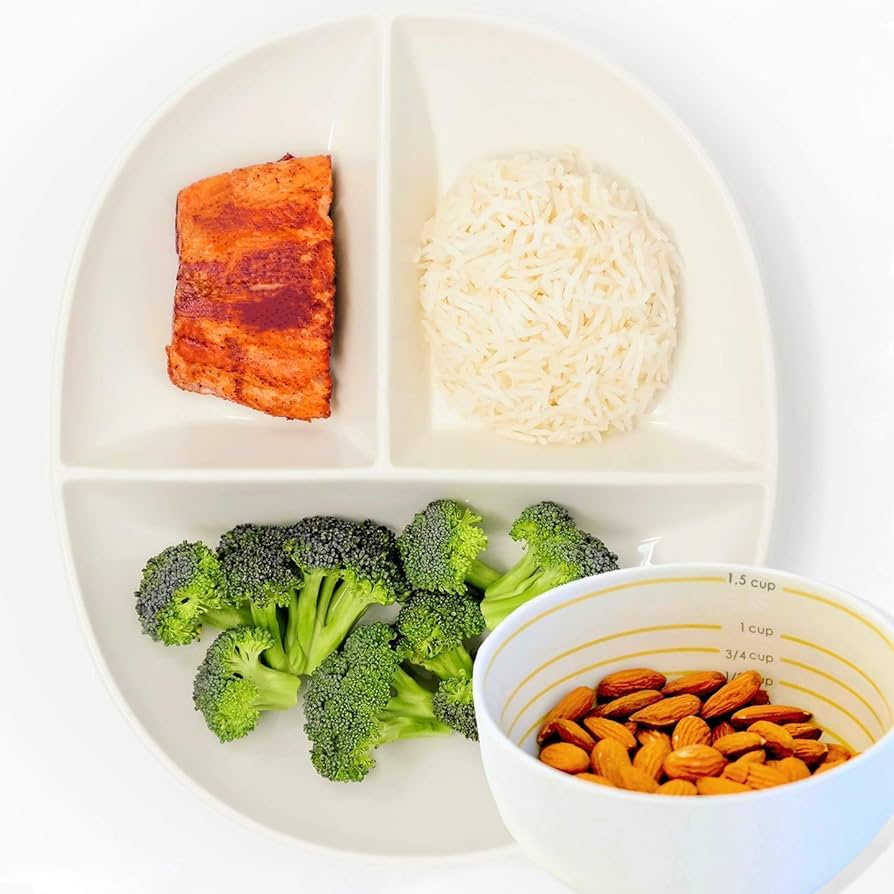
Fiber-rich foods help slow digestion and promote feelings of fullness. This can help reduce overeating and support healthy weight management.
Foods rich in fiber include:
• Vegetables and leafy greens
• Fruits such as apples and berries
• Whole grains
• Legumes and beans
Adding fiber-rich foods to meals can make it easier to maintain a balanced diet.
Stay Physically Active
Although diet plays a major role in weight loss, regular physical activity helps increase calorie expenditure and supports overall health.
Simple activities that support weight management include:
• Walking or jogging
• Cycling
• Swimming
• Strength training exercises
Even moderate daily activity can contribute to gradual and sustainable weight loss.
Get Enough Sleep Each Night
Sleep is often overlooked in weight management. Poor sleep can disrupt hormones that regulate hunger and appetite, which may lead to increased cravings.
Most adults benefit from seven to nine hours of sleep per night. Maintaining a consistent sleep routine helps support healthy metabolism and energy levels.
Adequate sleep also improves motivation for maintaining healthy habits.
Manage Stress Levels
Chronic stress can affect weight management by increasing levels of the hormone cortisol. Elevated cortisol levels may contribute to increased appetite and cravings for high-calorie foods.
Healthy ways to manage stress include:
• Meditation or deep breathing exercises
• Spending time outdoors
• Practicing hobbies or relaxation activities
Managing stress supports both mental health and physical well-being.
Be Patient and Focus on Long-Term Results
Healthy weight loss takes time. Quick fixes often lead to temporary results, while sustainable lifestyle changes lead to long-term success.
Consistency with healthy eating habits, regular exercise, and mindful lifestyle choices gradually improves metabolism and body composition.
Small daily improvements can lead to significant results over time.
Losing weight naturally involves creating healthy habits that support both physical and mental well-being. Instead of following extreme diets, focusing on balanced nutrition, portion control, hydration, and regular physical activity can lead to lasting results.
Simple lifestyle adjustments such as improving sleep, managing stress, and choosing whole foods help the body maintain a healthy metabolism and steady weight loss.
By staying consistent and patient, you can build sustainable habits that support long-term health and natural weight management.
Healthy weight loss is not just about appearance—it is about improving overall wellness and creating a lifestyle that promotes lasting vitality.