

Packing for a trip is exciting, but many travelers make one common mistake—bringing too much. Overpacked luggage can slow you down, make airport navigation more difficult, and lead to expensive baggage fees. Whether you’re taking a weekend getaway, a business trip, or a long vacation, learning how to pack light can save you time, money, and stress.
Many U.S. airlines charge additional fees for checked bags and overweight luggage. Even if your ticket includes baggage, exceeding the airline’s weight or size limits can result in unexpected charges. Packing efficiently allows you to avoid these costs while making your journey more comfortable.
The good news is that you don’t have to sacrifice comfort to travel with less. With a little planning and a few smart packing techniques, you can fit everything you need into a carry-on or a small suitcase.
This guide shares practical packing tips that help you travel lighter, stay organized, and avoid unnecessary baggage fees.
Know Your Airline’s Baggage Policy Before You Pack
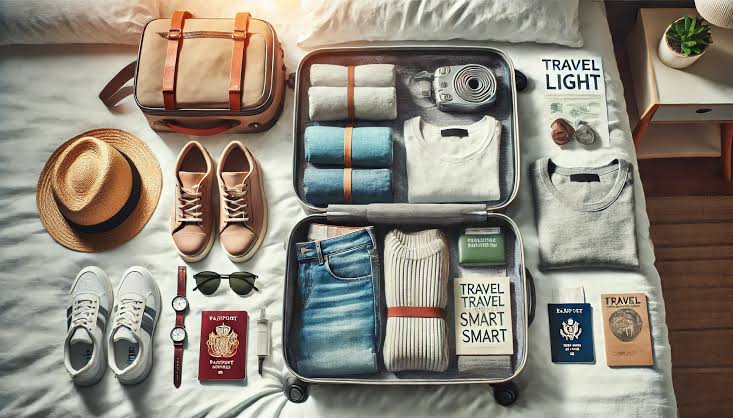
One of the easiest ways to avoid surprise charges is to check your airline’s baggage rules before you start packing. Every airline has different limits for carry-on bags, personal items, checked baggage, and overweight luggage.
Before your trip, verify:
• Carry-on size restrictions
• Personal item dimensions
• Checked baggage weight limits
• Additional baggage fees
Understanding these rules allows you to pack accordingly and prevents costly surprises at the airport.
Choose Lightweight Luggage
Your suitcase itself contributes to the total baggage weight. Heavy luggage leaves less room for your belongings before reaching the airline’s weight limit.
Choose luggage that is:
• Lightweight
• Durable
• Easy to maneuver
• Sized to meet carry-on requirements
A lightweight suitcase gives you more flexibility and helps maximize your packing allowance.
Make a Packing List
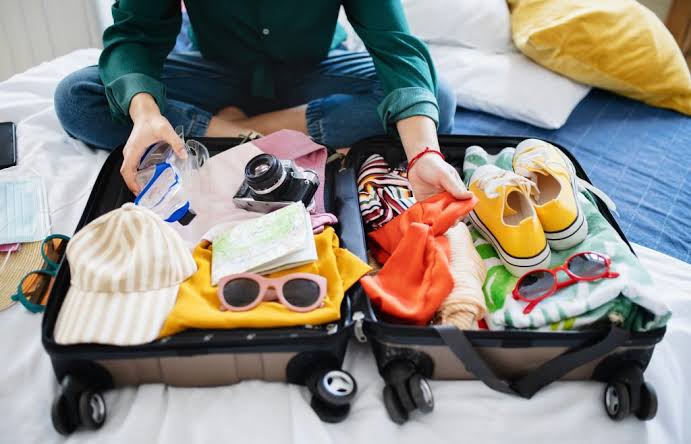
Packing without a plan often leads to unnecessary items finding their way into your suitcase.
Before packing, create a checklist based on:
• Trip length
• Weather forecast
• Planned activities
• Special events
A simple packing list keeps you organized and reduces the temptation to pack “just in case” items that rarely get used.
Pack Clothes That Mix and Match
Instead of packing a different outfit for every day, choose clothing pieces that work well together.
Neutral-colored clothing makes it easier to create multiple outfits with fewer items.
For example, a few shirts, two pairs of pants, and one lightweight jacket can create numerous outfit combinations.
This strategy significantly reduces luggage size while maintaining plenty of wardrobe options.
Roll Clothes Instead of Folding
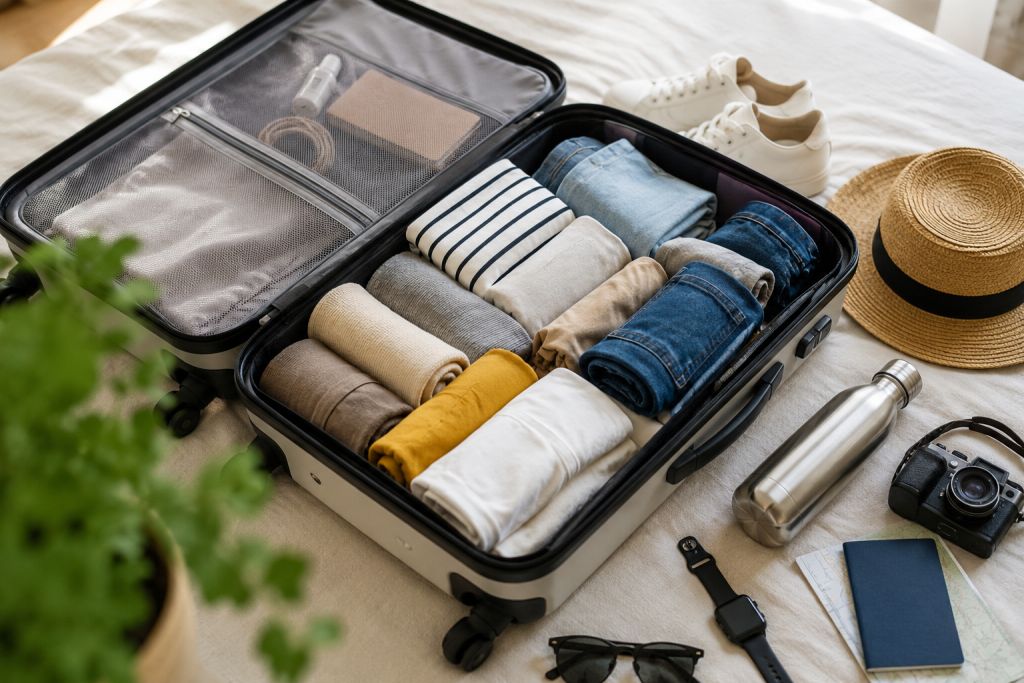
Rolling clothes is one of the oldest and most effective packing techniques.
Benefits include:
• Saves valuable luggage space
• Reduces wrinkles
• Keeps clothing organized
• Makes it easier to locate items
Rolled clothing also fits neatly inside packing cubes or suitcase compartments.
Use Packing Cubes
Packing cubes help separate clothing categories while maximizing available space.
They make it easier to organize:
• Shirts
• Pants
• Undergarments
• Electronics
• Accessories
Instead of digging through your suitcase, you simply remove the packing cube you need.
Limit the Number of Shoes
Shoes are among the heaviest items travelers pack.
A practical rule is to bring:
• One comfortable walking shoe
• One casual or dress shoe if necessary
Wear your bulkiest shoes during travel instead of packing them.
This frees up luggage space and reduces overall weight.
Wear Heavy Clothing While Traveling
If you’re traveling during cooler weather, wear your:
• Jacket
• Boots
• Sweater
• Hoodie
instead of packing them.
Airports and airplanes are usually air-conditioned, making these layers useful during travel while saving valuable suitcase space.
Choose Travel-Size Toiletries
Large bottles of shampoo, lotion, and body wash add unnecessary weight.
Instead:
• Buy travel-size products
• Refill reusable travel bottles
• Purchase toiletries after arriving if staying for an extended period
Many hotels also provide complimentary toiletries.
Minimize Electronics
Many travelers carry multiple electronic devices they rarely use.
Ask yourself whether you truly need:
• Laptop
• Tablet
• Camera
• Multiple chargers
Modern smartphones often replace several devices by handling photography, navigation, communication, and entertainment.
Leave Room for Souvenirs
If you plan to shop during your trip, don’t completely fill your suitcase before departure.
Leaving extra space allows you to bring home souvenirs without purchasing another bag or paying overweight baggage fees.
A foldable tote bag can also be useful if additional space becomes necessary.
Weigh Your Luggage Before Leaving Home
One of the simplest ways to avoid overweight fees is weighing your luggage before leaving.
Use:
• A digital luggage scale
• A household bathroom scale
This quick check helps you remove unnecessary items before reaching the airport.
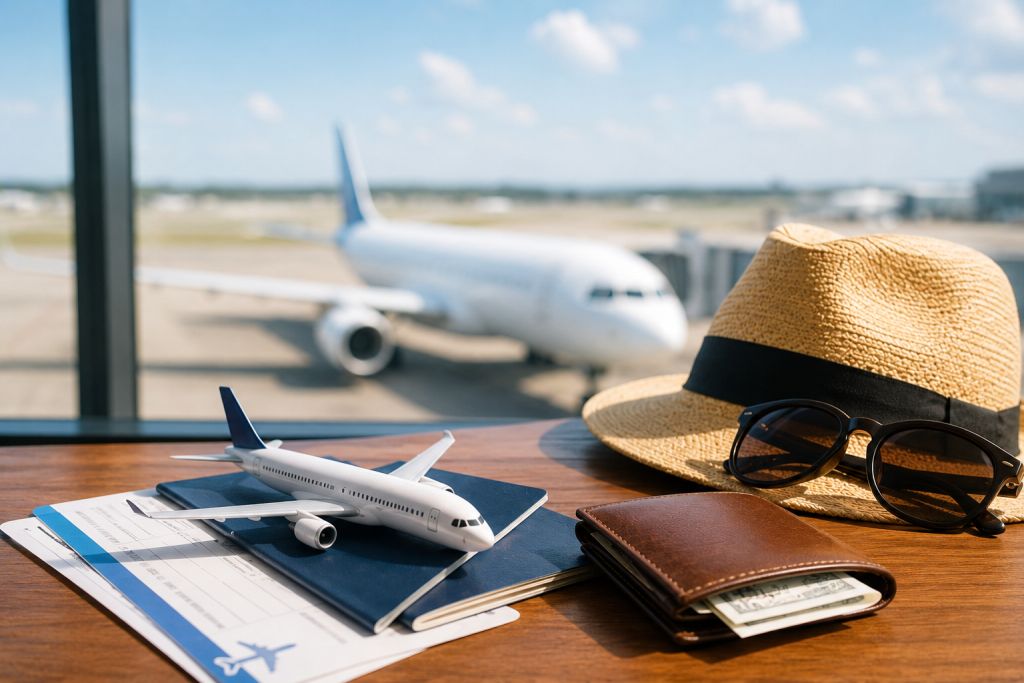
Pack Essential Documents Separately
Keep your important travel documents in a personal bag instead of your main suitcase.
This includes:
• Passport or ID
• Boarding passes
• Wallet
• Travel insurance documents
• Medications
Easy access speeds up airport security and reduces travel stress.
Do Laundry During Longer Trips
If you’re traveling for more than a week, consider washing clothes instead of packing extra outfits.
Many hotels, vacation rentals, and laundromats provide laundry facilities.
Packing for one week—even on a two-week trip—can dramatically reduce luggage weight.
Avoid “Just in Case” Packing
Many travelers pack items they never end up using.
Before adding something to your suitcase, ask yourself:
“Will I definitely use this?”
If the answer is uncertain, leave it behind.
Most forgotten items can be purchased at your destination if necessary.
Smart Packing Saves Money
Packing light isn’t only about convenience—it also saves money.
Benefits include:
• Avoiding checked baggage fees
• Preventing overweight luggage charges
• Faster airport check-in
• Easier transportation
• Less physical strain
Over time, these savings can add up, especially for frequent travelers.
Final Packing Checklist
Before closing your suitcase, make sure you’ve packed:
• Travel documents
• Phone charger
• Medications
• Weather-appropriate clothing
• Comfortable shoes
• Toiletries
• Reusable water bottle
• Small first-aid kit
This simple checklist helps ensure you’re fully prepared without overpacking.
Conclusion
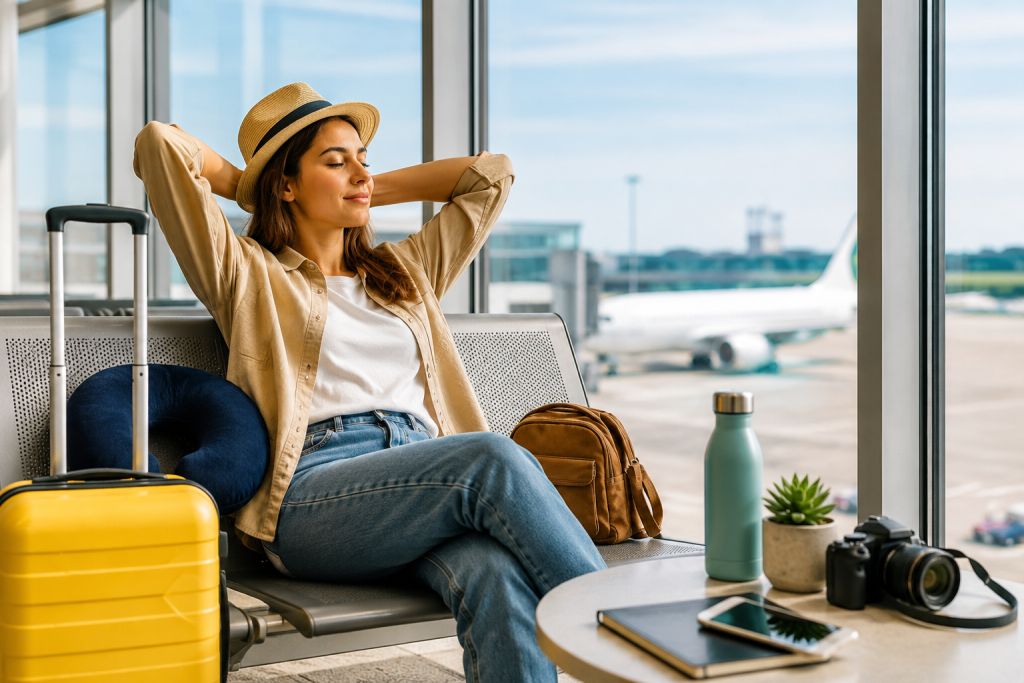
Packing light is one of the easiest ways to make travel more enjoyable and affordable. By choosing lightweight luggage, planning your outfits, limiting shoes, and avoiding unnecessary items, you can comfortably fit everything you need while staying within airline baggage limits.
Smart packing not only helps you avoid expensive baggage fees but also gives you greater flexibility during your trip. You’ll spend less time carrying heavy bags, move through airports more easily, and enjoy a more relaxed travel experience.
Remember that successful travel isn’t about bringing everything you own—it’s about bringing exactly what you need. With these practical packing tips, you’ll travel smarter, save money, and make every journey more comfortable from departure to arrival.
Frequently Asked Questions
How can I avoid paying baggage fees?
Travel with a carry-on whenever possible, check your airline’s baggage policy before your trip, and weigh your luggage before leaving home.
Is rolling clothes better than folding them?
Yes. Rolling clothes usually saves space, helps reduce wrinkles, and makes your suitcase easier to organize.
What should I not pack?
Avoid duplicate clothing, unnecessary electronics, large toiletries, and items you can easily buy at your destination.
Are packing cubes worth using?
Yes. Packing cubes improve organization, maximize luggage space, and make it easier to find your belongings during your trip.
How many pairs of shoes should I pack?
For most trips, two pairs are enough—one comfortable walking shoe and one pair for special occasions if needed.