



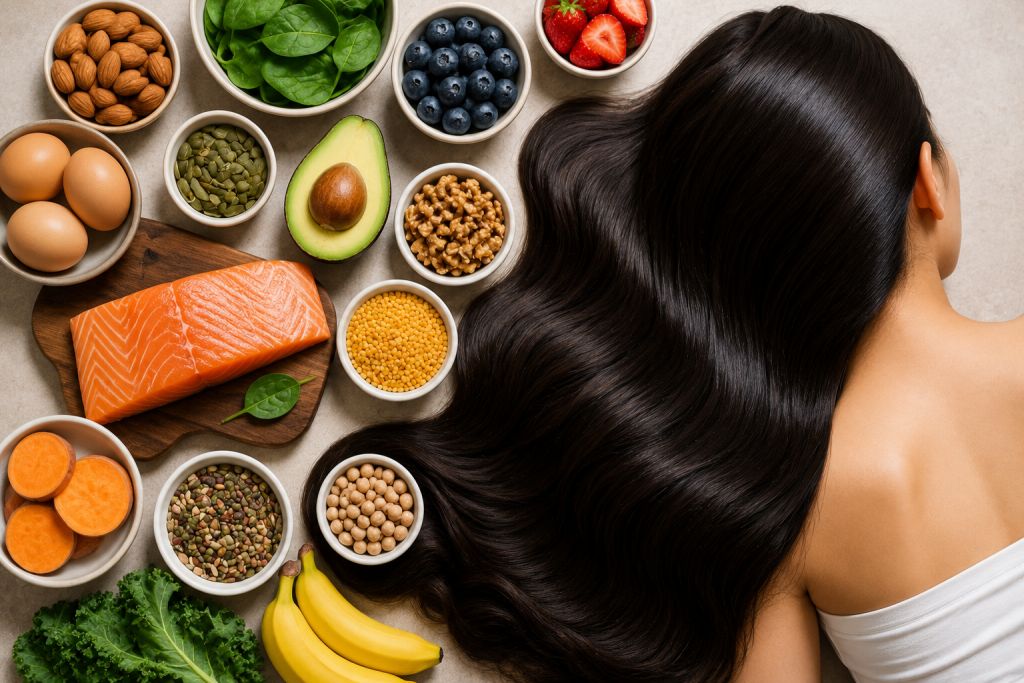
Why Nutrition is Important for Healthy Hair
Healthy hair growth begins from within the body. While many people focus mainly on shampoos, conditioners, and external treatments, the real foundation of strong and thick hair is proper nutrition. Hair follicles depend on essential vitamins, minerals, and nutrients to grow healthy strands and maintain a healthy scalp.
When the body does not receive enough nutrients, hair can become weak, brittle, and thinner. Nutritional deficiencies may also slow down hair growth and increase hair shedding. In contrast, when the body receives the nutrients it needs, hair follicles become stronger and support healthier hair growth.
Hair is mainly made of a protein called keratin. Nutrients are essential for producing this protein and maintaining a healthy hair growth cycle. By giving your body the right nutrients, you can help your hair become thicker, stronger, and more resilient over time.
This guide highlights important vitamins and nutrients that support long, thick, and healthy hair.
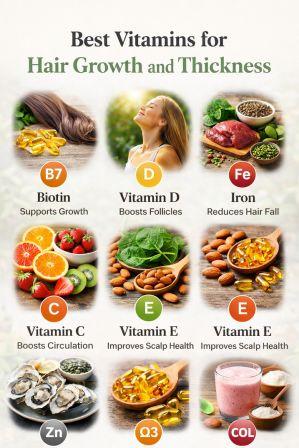 Understanding How Nutrients Affect Hair Growth
Hair grows in cycles that include growth, resting, and shedding phases. Proper nutrition plays an important role in maintaining this cycle and keeping hair follicles healthy.
When the body receives enough vitamins and minerals, hair follicles remain active and strong. However, when nutrients are lacking, the hair growth cycle can become disrupted, which may lead to excessive hair fall.
Hair health is also influenced by factors such as genetics, hormones, stress, and overall diet. A nutrient-rich diet helps create the ideal environment for stronger and healthier hair growth.
Biotin: The Most Popular Vitamin for Hair Growth
Biotin, also known as vitamin B7, is one of the most widely recognized vitamins for improving hair health. It helps the body produce keratin, the protein that forms the structure of hair strands.
Biotin supports stronger hair and promotes the natural hair growth process. People who are deficient in biotin may experience hair thinning or increased hair shedding.
Natural sources of biotin include:
• Eggs
• Nuts and seeds
• Whole grains
• Bananas
• Sweet potatoes
Adding these foods regularly to your diet may help strengthen hair and support healthy growth.
Vitamin D: Supporting Hair Follicle Health
Vitamin D is an essential nutrient that supports many functions in the body, including the health of hair follicles. Studies suggest that vitamin D may help stimulate hair follicles and encourage new hair growth.
Low levels of vitamin D have been linked to certain types of hair loss. Maintaining healthy vitamin D levels can help support the natural hair growth cycle.
Common sources of vitamin D include:
• Sunlight exposure
• Fatty fish such as salmon and tuna
• Fortified dairy products
• Egg yolks
Spending time outdoors and eating vitamin D–rich foods can help maintain adequate levels.
Iron: Preventing Hair Thinning
Iron is a vital mineral for healthy hair growth because it helps red blood cells deliver oxygen to hair follicles. When follicles receive enough oxygen and nutrients, they can function properly and produce healthy hair strands.
Iron deficiency is one of the most common causes of hair thinning, particularly among women.
Iron-rich foods include:
• Spinach and leafy greens
• Lean meats and poultry
• Lentils and beans
• Pumpkin seeds
Including these foods in your diet supports better circulation and stronger hair follicles.
Vitamin C: Boosting Collagen and Iron Absorption
Vitamin C plays several important roles in maintaining healthy hair. It helps the body produce collagen, a protein that strengthens hair structure.
Another important benefit of vitamin C is that it helps the body absorb iron from plant-based foods, ensuring that hair follicles receive enough oxygen for healthy growth.
Good sources of vitamin C include:
• Oranges and citrus fruits
• Strawberries
• Bell peppers
• Broccoli
Regular consumption of vitamin C can support both hair growth and scalp health.
Omega-3 Fatty Acids: Nourishing the Scalp
Omega-3 fatty acids are healthy fats that nourish hair follicles and keep the scalp hydrated. These fats also help maintain the natural shine and elasticity of hair strands.
Omega-3s may help reduce scalp dryness and inflammation, which can contribute to healthier hair growth.
Foods rich in omega-3 fatty acids include:
• Salmon and other fatty fish
• Flaxseeds
• Chia seeds
• Walnuts
Adding these foods to your diet can support healthier and more vibrant hair.
Zinc: Supporting Hair Tissue Growth
Zinc plays an important role in hair tissue growth and repair. It also helps regulate the oil glands around hair follicles, which keep the scalp properly moisturized.
Low zinc levels may contribute to hair thinning or slower hair growth.
Foods rich in zinc include:
• Pumpkin seeds
• Nuts
• Whole grains
• Legumes
Adequate zinc intake supports scalp health and stronger hair follicles.
Protein: The Building Block of Hair
Hair is primarily made of protein, which makes protein intake essential for healthy hair growth. When the body does not receive enough protein, it may prioritize other vital functions and slow down hair growth.
Protein-rich foods include:
• Eggs
• Fish
• Chicken
• Beans and lentils
• Greek yogurt
Consuming enough protein helps strengthen hair strands and reduce breakage.
Additional Tips for Naturally Healthy Hair
Nutrition is the foundation of healthy hair, but other lifestyle habits also play a role in maintaining strong hair.
Helpful hair care practices include:
• Avoiding excessive heat styling tools
• Reducing tight hairstyles that pull on the roots
• Massaging the scalp to improve blood circulation
• Using gentle shampoos and conditioners
Combining proper nutrition with healthy hair care habits can significantly improve hair quality over time.
Be Consistent With Healthy Habits
Hair growth is a gradual process. Because hair grows slowly, visible improvements may take several weeks or even months.
Consistency with a balanced diet, good hydration, and proper hair care routines is essential for long-term hair health. Over time, these habits can lead to thicker, stronger, and healthier hair.
Strong and healthy hair largely depends on proper nutrition. Essential nutrients such as biotin, vitamin D, iron, vitamin C, zinc, omega-3 fatty acids, and protein all play important roles in supporting hair growth and maintaining healthy follicles.
By including nutrient-rich foods in your diet and following good hair care practices, you can create the ideal environment for natural hair growth.
Healthy hair often reflects overall health. When your body receives the nutrients it needs, your hair can grow stronger, shinier, and more resilient.